Theo Baumann · 12 October 2026
Adapting Lunar Habitat Sealing Methods for Improved Insulation in Polar Research Stations
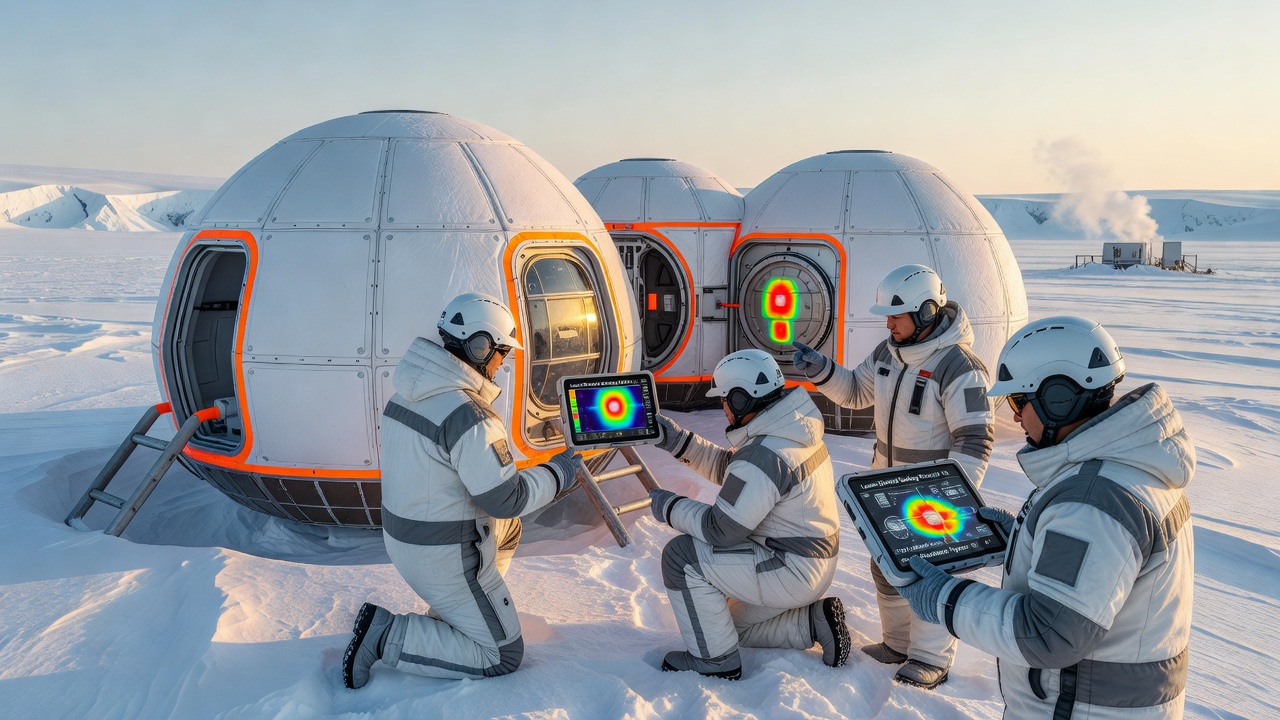
Researchers have examined how sealing techniques developed for lunar habitats, which must maintain pressure differentials in vacuum conditions while managing extreme temperature swings, transfer to polar research stations where similar thermal challenges arise from prolonged darkness and subzero winds. These methods rely on multi-layer flexible membranes combined with regolith-based overlays that reduce heat loss through conduction and radiation, and data from simulation tests indicate efficiency gains when the same layering principles get adapted for terrestrial ice and snow environments.
Lunar-Derived Sealing Fundamentals
Engineers at space agencies designed lunar seals using inflatable bladders reinforced with Kevlar-like fabrics and aerogel-infused barriers that create airtight interfaces between habitat modules, while the outer regolith layer provides additional thermal mass that buffers against rapid temperature changes between lunar day and night cycles. Studies conducted through 2025 demonstrated that these systems achieve thermal conductivity reductions of up to 70 percent compared with conventional rigid structures, and the same material stack now undergoes evaluation for polar station retrofits where wind-driven snow infiltration mirrors the abrasive lunar dust problem.
Transfer to Polar Conditions
Teams in Antarctica and the Arctic have begun testing modified versions of these seals on existing research modules, replacing older single-layer membranes with stacked aerogel and vacuum-insulated panels that connect via flexible gaskets originally engineered for lunar airlocks. In October 2026 field trials scheduled at several high-latitude sites, crews will measure heat retention over multi-week periods to quantify how the lunar approach cuts diesel generator runtime, and preliminary modeling from the National Science Foundation suggests potential fuel savings of 25 to 40 percent during winter-over seasons.
What's notable is that the lunar designs already account for micrometeoroid impacts through redundant sealing layers, a feature that translates directly to resistance against ice crystal abrasion and high-velocity wind loads common at polar stations. Observers note that installation crews report faster deployment times when using pre-fabricated modular seal kits, since the connection hardware mirrors the standardized docking collars developed for lunar surface habitats.
Material and Structural Adaptations
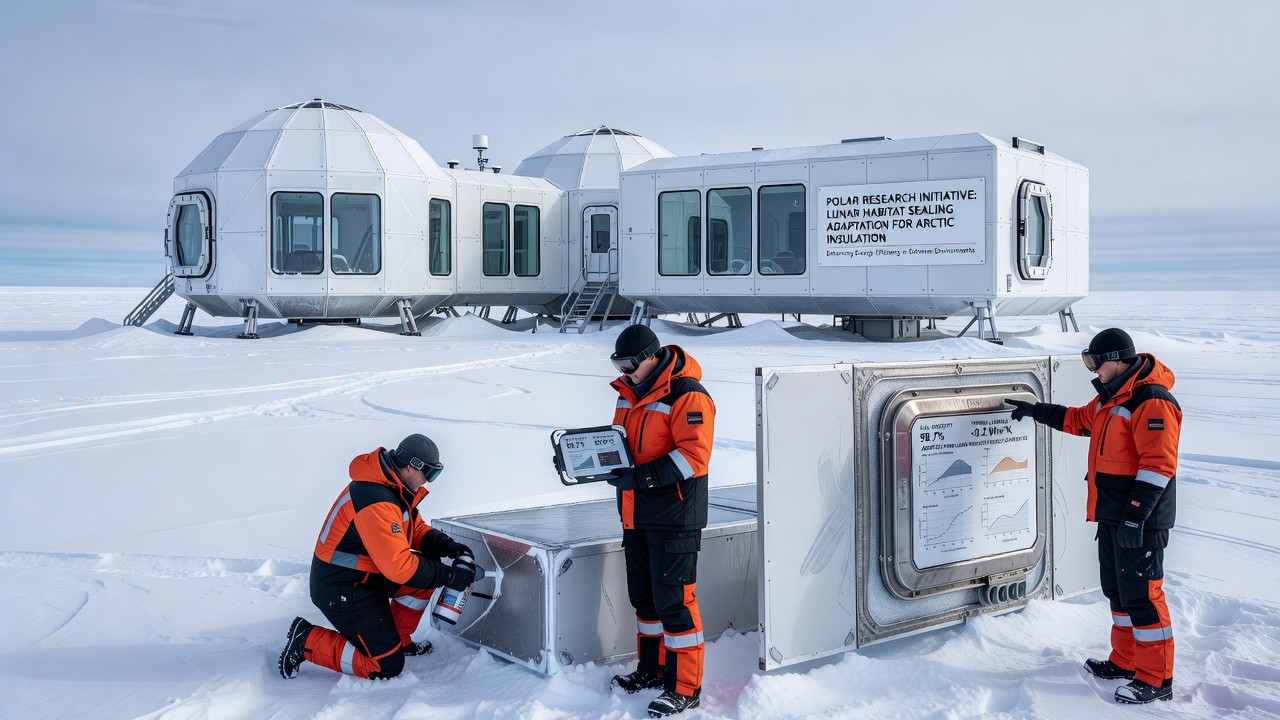
Materials scientists have adjusted the regolith simulant layer into a compacted snow-and-ice composite that adds mass without requiring imported lunar soil, while maintaining the low-emissivity outer coating that reflects long-wave radiation. Canadian Polar Continental Shelf Program reports from 2024 detail how these composites integrate with existing steel frames through tensioned cable systems, creating continuous thermal breaks that eliminate the cold-bridge points responsible for most heat leakage in older polar buildings.
Electrical and plumbing penetrations receive specialized pass-through seals derived from lunar habitat feed-through designs, which use compression gaskets and redundant O-ring stacks to prevent both air and heat exchange. Research indicates these adaptations maintain performance across temperature ranges from minus 60 to plus 10 degrees Celsius, conditions routinely encountered at stations on the Antarctic plateau.
Energy and Operational Outcomes
Operational data collected at several stations already shows reduced interior temperature fluctuations once the new sealing layers are applied, which in turn lowers the load on heating systems and extends equipment lifespan. According to figures released by the Australian Antarctic Division, stations employing partial lunar-derived insulation recorded average daily energy consumption drops of 18 percent during the 2025 winter season, and full implementation across additional modules is projected to compound those gains.
Maintenance crews find that the modular nature of the seals allows targeted repairs without depressurizing entire buildings, a direct benefit carried over from lunar habitat servicing protocols. The approach also supports incremental upgrades, letting teams add extra insulation layers during successive field seasons rather than requiring complete station rebuilds.
Conclusion
Continued collaboration between space engineering groups and polar logistics organizations continues to refine these sealing adaptations, with upcoming 2026 deployments expected to deliver comprehensive performance datasets. The cross-domain transfer of vacuum-rated membrane technology demonstrates how solutions developed for one extreme environment can address parallel challenges in another, delivering measurable improvements in thermal management and operational efficiency at research stations worldwide.